
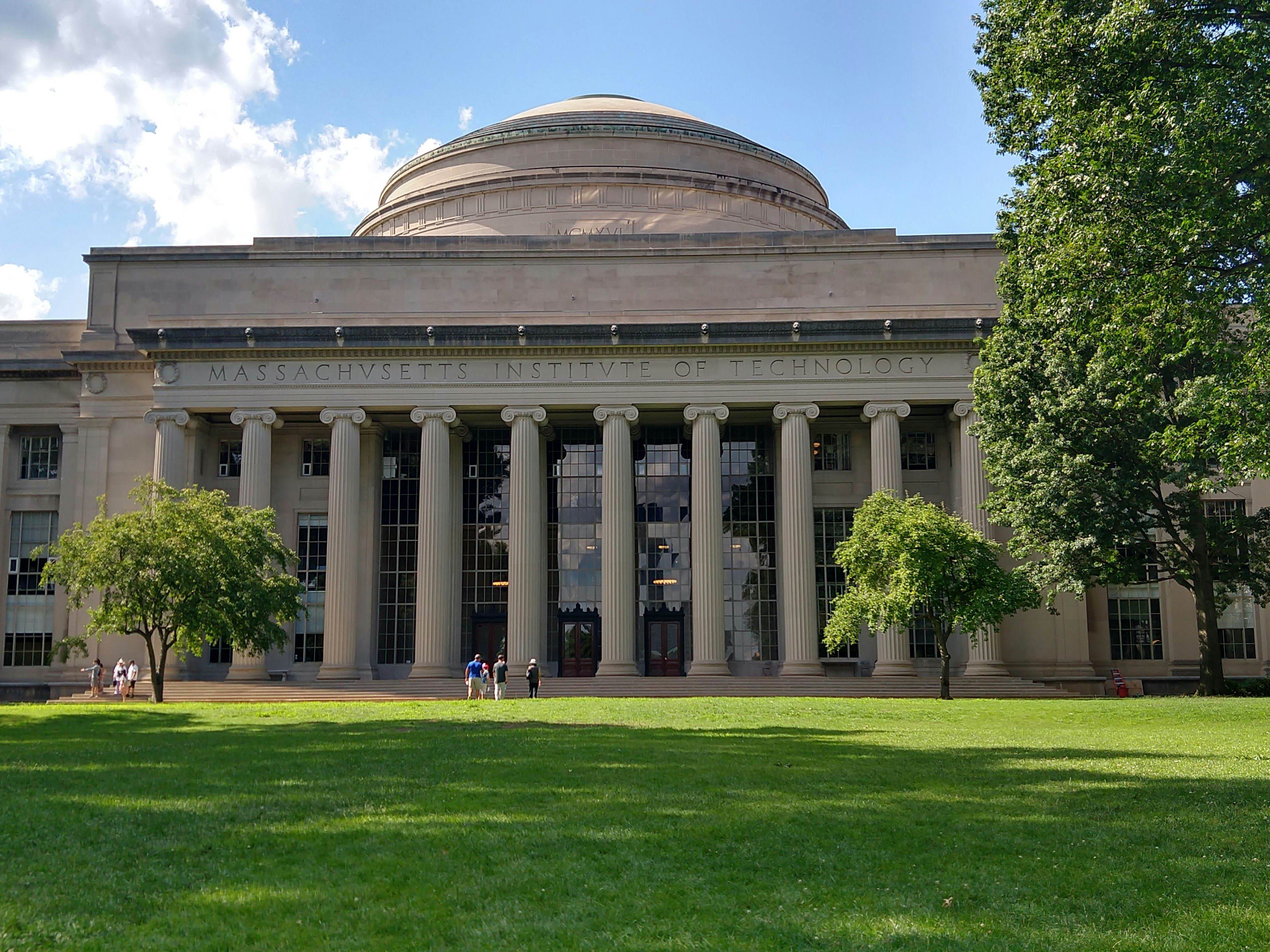
Introduction to Stanford University
Founded in 1885 by Leland and Jane Stanford in memory of their only child, Stanford University has grown to become a prominent institution in the realm of higher education. Located in Stanford, California, in the heart of Silicon Valley, it is often referred to as one of the leading research universities in the world. Stanford’s commitment to advancing knowledge and fostering innovation is anchored in its mission to promote the public welfare by exercising an influence in behalf of humanity.
Stanford University occupies a significant position in the educational landscape due to its strong emphasis on interdisciplinary study and its approach to research that spans various fields. The university comprises seven schools—each dedicated to providing high-quality education and encouraging groundbreaking research that addresses critical global challenges. This commitment is evident through the extensive resources provided to both students and faculty, enabling them to pursue innovative solutions to contemporary issues.
The impact of Stanford University extends far beyond its campus. It has consistently been a cradle of innovation, producing a wealth of entrepreneurial ventures and influential leaders in diverse fields, including technology, business, and the arts. It boasts a rich legacy of notable alumni and faculty, including Nobel laureates, Pulitzer Prize winners, and groundbreaking scientists. The synergy between academia and industry in the nearby Silicon Valley enhances the university’s appeal and further solidifies its reputation for excellence.
As Stanford continues to evolve, it retains its core values of research, scholarship, and public service, ensuring its ongoing relevance as a major player in higher education. The institution is dedicated to shaping future leaders who will engage thoughtfully with society’s pressing challenges, reinforcing its ongoing significance on both national and global stages.
History and Milestones
Stanford University, established in 1885 by Leland and Jane Stanford, emerged as a beacon of higher education in the United States, reflecting the couple’s desire to create an institution that would contribute to societal progress through education and research. The university was formally opened in 1891, with an initial focus on providing instruction in liberal arts and a commitment to the principles of inclusivity and innovation.
In its early years, Stanford University faced significant challenges, including the aftermath of an earthquake that severely impacted the campus in 1906. However, this adversity led to the construction of many notable buildings, such as the iconic Memorial Church, which became a central part of the campus’s architectural identity. The university’s infrastructure continued to evolve throughout the twentieth century, with significant expansions in both physical spaces and academic programs.
By the 1950s and 1960s, Stanford University began to establish itself as a leader in scientific research and technology, contributing to advancements that would shape the modern era. This included the founding of Stanford Research Park, which fostered partnerships between academia and industry, particularly in Silicon Valley, and helped spawn numerous technology firms.
In the years since, Stanford has further solidified its reputation for excellence across various fields, from humanities to engineering. Notable milestones include the launch of interdisciplinary programs and collaborative research initiatives that promote innovation and encourage a multidisciplinary approach to education.
The mission of Stanford has consistently been to prepare students for leadership roles in a rapidly changing world, emphasizing the importance of creativity and critical thinking. Through its dedication to scholarship, research, and community engagement, Stanford University continues to play a pivotal role in shaping the future and upholding its legacy of excellence and innovation.
Campus Overview
Stanford University is renowned not only for its academic prowess but also for the breathtaking beauty and distinctive architectural styles of its campus, which spans over 8,180 acres. Located in the heart of California’s Silicon Valley, the campus boasts a harmonious blend of modern and historic structures, intricately woven into meticulously maintained landscapes. One of the most iconic architectural features is the Main Quad, which is characterized by its stunning red-tiled roofs, arches, and the magnificent Stanford Memorial Church. This Romanesque-style church is a centerpiece of the campus, admired for its intricate mosaics and beautiful wooden ceiling.
The thoughtful landscaping at Stanford University enhances its aesthetic charm and promotes a serene atmosphere conducive to learning. Towering palm trees line the pathways, while native plants and gardens create a refreshing environment for students and visitors alike. Moreover, the expansive open spaces provide ample opportunities for outdoor activities and social gatherings, further enriching campus life.
In addition to its architectural beauty, Stanford University is home to several notable museums and art installations that contribute to its vibrant cultural landscape. The Cantor Arts Center, situated near the Main Quad, features an extensive collection of over 38,000 artworks, including pieces from renowned artists such as Rodin and Picasso. Additionally, the Anderson Collection offers a remarkable assortment of modern American art, providing a visual feast that complements the academic dialogue on campus.
Overall, the campus of Stanford University serves as an inspiring backdrop for education and innovation, uniting aesthetic beauty with a rich cultural environment that supports its mission of academic excellence and creative inquiry.
Academic Programs and Research Opportunities
Stanford University stands at the forefront of higher education, offering a broad range of academic programs and research opportunities that cater to a diverse student body. With both undergraduate and graduate offerings, Stanford has structured its programs to ensure that students receive a comprehensive and interdisciplinary education. The university is organized into seven schools: the School of Humanities and Sciences, the School of Engineering, the Graduate School of Education, the School of Law, the Stanford Graduate School of Business, the School of Medicine, and the Stanford School of Earth, Energy & Environmental Sciences. Each school contributes to a rich academic environment that fosters intellectual growth and innovation.
Undergraduate students have the flexibility to choose from over 70 majors, allowing them to pursue a wide array of interests, from the sciences to the arts. Graduate programs further enhance this diversity, providing specialized disciplines that promote expertise in various fields. Interdisciplinary studies are especially encouraged at Stanford, with many students opting to pursue dual degrees or cross-disciplinary collaborations that leverage the vast resources of the university.
Research at Stanford is a pivotal aspect of its academic offerings. The institution is recognized globally for its commitment to addressing pressing global challenges through innovative research initiatives. Numerous research centers and institutes operate under the Stanford umbrella, tackling issues such as climate change, public health, and technology advancement. Moreover, students are incentivized to engage in research from the outset of their academic careers, whether it is through participation in faculty-led projects or by developing their independent studies.
This extensive focus on academics and research not only enriches the educational experience but also prepares graduates to be proactive contributors to society. Stanford University’s legacy of excellence and innovation is a testament to its unwavering dedication to fostering a thriving academic community.
Notable Alumni and Their Contributions
Stanford University has long been a breeding ground for some of the most influential thinkers and innovators across various disciplines. This institute not only nurtures academic excellence but also encourages its students to make significant contributions to society. Many alumni have left an indelible mark, particularly in fields such as technology, business, politics, and the arts.
In the realm of technology, perhaps no figure exemplifies the Silicon Valley spirit more than Larry Page and Sergey Brin, the co-founders of Google. Their innovative work at Stanford laid the groundwork for a search engine that revolutionized how information is accessed globally. Additionally, alumni like Elon Musk, founder of Tesla and SpaceX, have propelled the advancement of sustainable energy and space exploration, embodying the entrepreneurial spirit fostered at Stanford University.
In business, individuals such as Reed Hastings, the co-founder and CEO of Netflix, have transformed media consumption patterns through disruptive innovations. Hastings’ education at Stanford helped him cultivate the visionary thinking required to alter how content is delivered to audiences worldwide.
Stanford has also produced prominent political leaders, including former U.S. Secretary of State Condoleezza Rice and former Colorado Governor John Hickenlooper, who have both played key roles in shaping public policy and governance at national and state levels. Their experiences reflect the university’s commitment to public service and civic leadership.
Moreover, artists and writers like Wallace Stegner, a Pulitzer Prize-winning author, have contributed greatly to American literature, highlighting the university’s influence beyond conventional disciplines. The rich tapestry of Stanford University alumni exemplifies a legacy of excellence and innovation, demonstrating the institution’s profound impact on society through its graduates.
Innovative Culture and Entrepreneurship
Stanford University is renowned for its innovative culture and spirit of entrepreneurship, which has played a pivotal role in shaping the landscape of technological advancements and business development. Often considered the gateway to Silicon Valley, Stanford has created an environment that not only nurtures academic excellence but also encourages a mindset geared toward practical application and innovation.
A central initiative contributing to this entrepreneurial vibrancy is the Stanford Technology Ventures Program (STVP). Launched in 1999, STVP serves as a hub for students and faculty interested in technology-driven entrepreneurship. By offering resources such as workshops, mentorship programs, and speaker series with esteemed entrepreneurs and industry experts, STVP promotes the development of innovative business ideas and ventures. This initiative exemplifies Stanford University’s commitment to fostering a community where budding entrepreneurs can thrive and gain invaluable insights from those who have successfully navigated the entrepreneurial landscape.
Additionally, the university actively supports startups through various collaborative endeavors with Silicon Valley’s thriving tech ecosystem. This relationship is crucial, as it allows Stanford students and researchers to connect with professionals, gain practical experience, and access essential funding. The university’s incubation programs play an instrumental role in transforming research and ideas into viable business models, further solidifying Stanford’s position as a breeding ground for innovation.
Moreover, events like the Startup Grind and pitch competitions provide platforms for Stanford students to showcase their innovations, offering them a chance to receive constructive feedback and attract potential investors. These opportunities underscore the seamless integration of academic research and entrepreneurial pursuits that defines the Stanford University experience. A culture fueled by creativity, collaboration, and access to resources ensures that Stanford not only educates the leaders of tomorrow but also empowers them to spearhead transformational change in their respective industries.
Athletics and Student Life at Stanford University
Stanford University is renowned not only for its academic rigor but also for its vibrant student life that emphasizes a holistic approach to education. Athletics play a pivotal role within this community, as the university has a rich history of success in various sports, competing in the NCAA Division I as part of the Pac-12 Conference. The Stanford Cardinal team boasts numerous championships, reflecting both the commitment to excellence and the supportive environment for student-athletes.
The university encourages all students to engage in physical activities, offering a wide range of athletic programs that cater to various interests and skill levels. From competitive varsity teams to club sports and recreational leagues, there is an opportunity for every student to participate. This emphasis on athletics not only promotes physical well-being but also fosters teamwork, resilience, and school spirit, contributing significantly to Stanford University’s campus culture.
Beyond sports, the university provides students with a plethora of extracurricular activities that enrich their overall experience. Whether through performing arts, cultural organizations, or academic clubs, Stanford offers a platform for students to explore their passions, develop leadership skills, and form meaningful connections with peers. Events such as cultural festivals and speaker series further enhance this lively atmosphere, bringing together students from diverse backgrounds to share and celebrate their unique experiences.
Furthermore, the campus itself serves as an interactive environment where students can thrive socially and academically. Facilities like the Arrillaga Family Sports Center and the Stanford Recreation Center are equipped with state-of-the-art amenities, encouraging students to maintain a balanced lifestyle. The inclusive community at Stanford University nurtures not only intellectual growth but also personal development through comprehensive engagement in athletics and other aspects of student life.
Global Impact and Community Engagement
Stanford University has long been recognized for its commitment to global outreach and community service, fostering a spirit of responsibility that extends beyond its campus. The institution firmly believes in the profound impact of education on society, endeavoring to equip its students not just with academic knowledge, but also with a sense of civic duty. Through various initiatives, Stanford actively promotes social responsibility, sustainability, and meaningful engagement with both local and international communities.
One of the prominent efforts spearheaded by Stanford is the Stanford Center for Global Health, which mobilizes resources and expertise to address health disparities worldwide. This center not only conducts research but also partners with global organizations to implement innovative health solutions, demonstrating the university’s dedication to improving health outcomes in underserved populations. Additionally, programs such as the Bing Overseas Studies Program provide students the opportunity to immerse themselves in different cultures while addressing social issues pertinent to host countries, thereby enriching their understanding of global interdependencies.
Furthermore, Stanford’s Stanford Earth initiative exemplifies the institution’s commitment to sustainability. By engaging in research focused on environmental challenges, the university aims to develop sustainable solutions for the pressing climate issues affecting communities both locally and globally. The focus on interdisciplinary collaboration ensures that a diverse range of voices contributes to the discourse on environmental management and policy-making.
Stanford University’s partnership with local organizations, such as programs that connect students with K-12 schools in the area, enhances community engagement. These initiatives provide students a chance to apply their skills in real-world settings, enriching the educational experiences of all involved. By cultivating a culture that values both education and service, Stanford continues to make a significant global impact while shaping socially responsible leaders of the future.
Conclusion: The Future of Stanford University
As we reflect on the ongoing journey of Stanford University, it is important to acknowledge the institution’s rich history of academic excellence and its reputation as a breeding ground for innovation. Looking to the future, Stanford aims to navigate the evolving landscape of higher education with resilience and adaptability.
In an era where technological advancements and societal changes are accelerating at an unprecedented pace, Stanford is well-positioned to tackle both challenges and opportunities. The university recognizes the need to foster a curriculum that encourages interdisciplinary collaboration, equipping students with the skills necessary to address complex global issues. From climate change to social justice, Stanford’s initiatives will focus on producing graduates who are not only knowledgeable but also proactive in seeking solutions.
Moreover, the commitment to research excellence remains paramount. By investing in emerging fields such as artificial intelligence, biotechnology, and renewable energy, Stanford University continues to lead groundbreaking studies that have the potential to transform industries and improve society at large. The expansion of research facilities will further enhance the university’s ability to attract top talent and maintain its competitive edge on a global scale.
Additionally, engaging with local and international communities will be essential for Stanford in the coming years. By forming strategic partnerships and collaborations, the university will extend its influence beyond academia and work towards impactful change that resonates with diverse populations. Through outreach and engagement, Stanford University will not only connect with a wider audience but will also enrich its educational offerings.
In conclusion, the future of Stanford University is bright, characterized by a commitment to innovation, inclusivity, and a dedication to addressing the critical challenges facing our world today. As it continues to evolve, Stanford University will undoubtedly uphold its legacy while paving the way for future generations of leaders and thinkers.